Boeing B-17 Flying Fortress ↗
The four-engine Flying Fortress, a major American bomber of the Second World War.
0 implementations+ Compare
Explore the aircraft. Find your simulator. Follow the sources.
The four-engine Flying Fortress, a major American bomber of the Second World War.
Cirrus's first type-certified aircraft, a composite piston single.
A tandem two-seat sailplane family used for training and cross-country soaring.
A post-war Czech light twin with a rounded cabin and engines carried on a low wing.
An Italian light aircraft known for military training and aerobatic use.
A close-air-support aircraft with a straight wing, twin tail and two widely separated jet engines.
A rear-engined trijet built to bring jet service to shorter routes and smaller airports.
A medium commercial helicopter designed for passenger and utility transport.
Airbus's first production aircraft, built around a twin-engine wide-body layout.
A full-length double-deck airliner built for very high passenger capacity.
A military transport developed from the DC-3, used for cargo, troops, parachuting and glider towing.
A composite touring single with a whole-aircraft parachute and several generations of avionics.
A tandem-seat development of Scheibe’s touring motorglider family.
A tandem-seat canard homebuilt with a pusher engine and distinctive winglets.
A fixed-wing observation aircraft with a helicopter-like view from its glazed nose.
A small observation-helicopter family with a rounded cabin and compact rotor system.
Diamond's four-seat light twin, developed with diesel-powered versions.
A two-seat composite light-aircraft family with a high wing and a compact enclosed cabin.
A swept-wing business jet designed around high subsonic cruise speed.
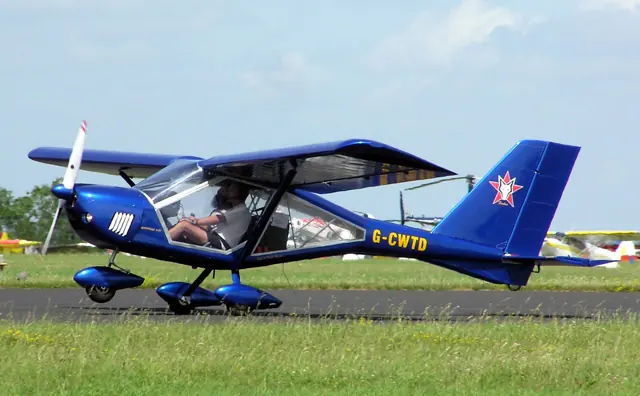
A high-wing light sport aircraft with a broad glazed cabin and tricycle landing gear.
A family of single-aisle airliners built around sidesticks, electronic flight controls and a shared cockpit.
A two-seat touring motorglider with interchangeable wing tips.
A large twin-engine helicopter from the Super Puma line, used for offshore and public-service work.
New aircraft, useful sources and improvements to AirframeDB. Occasional updates, when there’s something to share.