X-Plane
McDonnell Douglas F-4 Phantom II ↗
A two-seat, twin-engine fighter that served naval and land-based air forces in many roles.
2 implementations+ Compare
Explore the aircraft. Find your simulator. Follow the sources.
A two-seat, twin-engine fighter that served naval and land-based air forces in many roles.
The purpose-built Ryan monoplane used by Charles Lindbergh for his 1927 solo Atlantic crossing.
A four-seat high-wing single that spans generations of conventional instruments and glass cockpits.
A super-midsize business jet with a swept wing, rear-mounted engines and an integrated glass cockpit.
A twin-radial military transport with a rear ramp and short-field design priorities.
A family of single-aisle airliners built around sidesticks, electronic flight controls and a shared cockpit.
A utility piston twin designed for commuter and specialist transport missions.
An enclosed gyroplane represented in VSKYLABS’ X-Plane fleet.
A close-air-support aircraft with a straight wing, twin tail and two widely separated jet engines.
A Polish utility aircraft designed for short takeoffs and landings.
A long-range strategic bomber with a swept wing and eight jet engines in paired pods.
A compact racing aeroplane built around a large radial engine and very short fuselage.
Grumman’s small twin-engine amphibian: a flying boat with retractable wheels and a life spanning wartime service, private travel and seaplane training.
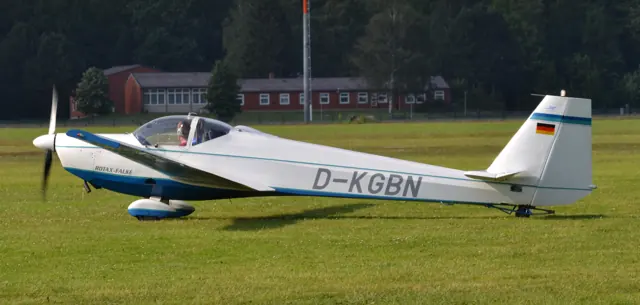
A side-by-side touring motorglider used for both powered flying and soaring.
A fixed-wing observation aircraft with a helicopter-like view from its glazed nose.
A compact regional turboprop with a pressurised cabin for up to 19 passengers.
A box-shaped utility twin whose cabin and rear access are central to its design.
A radial-engined utility aircraft closely associated with bush flying and float operations.
New aircraft, useful sources and improvements to AirframeDB. Occasional updates, when there’s something to share.