X-Plane
Cessna 206 Stationair ↗
The Stationair utility family, combining a high wing with fixed landing gear.
1 implementations+ Compare
Explore the aircraft. Find your simulator. Follow the sources.
The Stationair utility family, combining a high wing with fixed landing gear.
A high-wing utility turboprop designed for short-field passenger and cargo work.
A four-engine jetliner that helped establish the shape of long-distance jet travel.
A four-seat kit-built touring aircraft that expanded the RV family beyond two-seat designs.
A post-war Czech light twin with a rounded cabin and engines carried on a low wing.
A composite touring single with a whole-aircraft parachute and several generations of avionics.
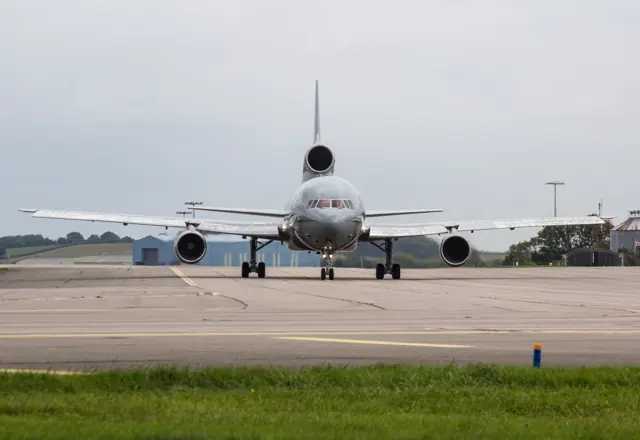
Lockheed's wide-body TriStar, with three RB211 engines and a distinctive tail intake.
A two-seat naval fighter with variable-sweep wings and a cockpit built around pilot and radar-intercept officer roles.
A Polish utility aircraft designed for short takeoffs and landings.
SOCATA's touring-aircraft family, including the Tobago and Trinidad.
A 1920s flying boat with two engines arranged in tandem above the wing.
A short-haul jet family that evolved through several generations of engines, wings and flight decks.
A modern composite twin with a roomy cabin and two wing-mounted piston engines.
A 1920s transport family that developed from a single-engine airliner into a trimotor.
A tandem-seat utility aircraft whose light structure and high wing suit bush, towing and recreational work.
A tandem-seat jet trainer that also found a second life in civilian display and racing.
A pressurised single-engine turboprop family that combines a compact cabin with retractable gear.
A wide-cabin business-jet family that developed from Canadair's original Challenger programme.
A light business jet with a swept wing, rear-mounted engines and an integrated flight deck.
A high-wing twin turboprop developed for regional freight and passenger transport.
A Brazilian light trainer with a high wing, tandem seats and a simple utility layout.
A four-engine military turboprop designed to combine tactical access with long-distance transport.
The Wilga is the real-aircraft starting point for Mike Patey's DRACO and the simulator's DRACO X.
An unpowered military cargo glider designed to deliver troops and equipment behind a tow aircraft.
This is AirframeDB’s first release. More features and aircraft research are planned. Leave your email if you’d like occasional updates.