MSFS
Lockheed L-1011 TriStar ↗
Lockheed's wide-body TriStar, with three RB211 engines and a distinctive tail intake.
1 implementations+ Compare
Explore the aircraft. Find your simulator. Follow the sources.
Lockheed's wide-body TriStar, with three RB211 engines and a distinctive tail intake.
The turboprop-powered member of Beechcraft’s tandem-seat Mentor training family.
A small twin-engine amphibian that moved from business transport into military and utility service.
Two related Dutch regional jets developed from the F28 lineage.
A four-engine tactical transport built around a rear loading ramp and access to austere airfields.
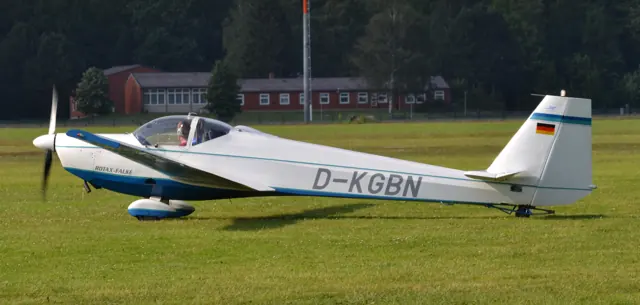
A tandem-seat development of Scheibe’s touring motorglider family.
A cabin-class piston twin designed for commuter, cargo and utility work.
Piper's PA-31 utility twin, used in commuter, cargo and corporate transport.
An electric-powered educational glider concept inspired by the human-powered MIT Daedalus 88.
A long-range trijet developed from the DC-10 with a stretched fuselage and revised wing and cockpit.
An open, single-seat ultralight with its propeller behind the pilot.
A medium commercial helicopter designed for passenger and utility transport.
A specialised reconnaissance aircraft designed for very high altitude and sustained supersonic flight.
A side-by-side touring motorglider used for both powered flying and soaring.
A radial-engined light transport whose long career covered passengers, freight and military training.
A compact Czech touring aircraft with side-by-side seats and a streamlined low-wing airframe.
A late-war single-seat jet fighter with its engine mounted above the fuselage.
A hybrid-electric regional-airliner concept represented in the simulator while the real programme develops.
A regional turboprop family whose short early versions and larger Q400 have different proportions and systems.
A box-shaped utility twin whose cabin and rear access are central to its design.
A four-seat touring family whose Commander 114 added a larger engine and further refinements.
The purpose-built Ryan monoplane used by Charles Lindbergh for his 1927 solo Atlantic crossing.
A composite amphibian that carries Dornier's centreline engine arrangement into the turboprop era.
New aircraft, useful sources and improvements to AirframeDB. Occasional updates, when there’s something to share.