MSFS
Lockheed T-33 Shooting Star ↗
Lockheed's tandem-seat Shooting Star jet trainer.
1 implementations+ Compare
Explore the aircraft. Find your simulator. Follow the sources.
Lockheed's tandem-seat Shooting Star jet trainer.
A medium commercial helicopter designed for passenger and utility transport.
A purpose-built aerobatic monoplane family developed by pilot and designer Walter Extra.
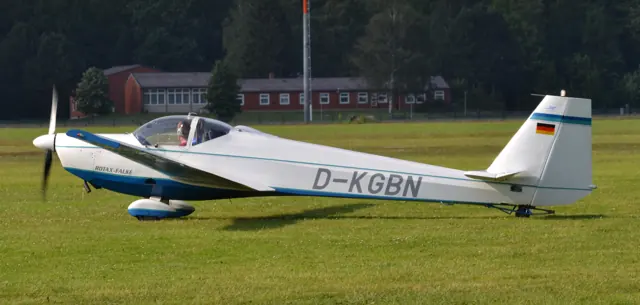
A side-by-side touring motorglider used for both powered flying and soaring.
The tip-tanked turbofan Learjets, combining the classic compact airframe with longer range and careers in business, military and medical flying.
The JetRanger and LongRanger family: a familiar turbine-helicopter shape with distinct cabin lengths.
A four-seat piston helicopter with a two-blade main rotor and conventional tail rotor.
A modern two-seat piston helicopter designed around the training role.
The Model 525 CitationJet, the starting point of Cessna's CJ and M2 lineage.
A single-engine turboprop workhorse for passenger services, freight and remote-area transport.
A Polish utility aircraft designed for short takeoffs and landings.
A side-by-side two-seat sailplane with a retractable powerplant for self-launching.
A four-engine airliner whose history also includes long-range maritime military service.
A high-wing twin turboprop developed for regional freight and passenger transport.
A huge wooden flying-boat prototype that made one brief flight in 1947.
Japan’s postwar regional turboprop, with Rolls-Royce Dart power and a career spanning passenger, freight and specialist government flying.
An Italian light aircraft known for military training and aerobatic use.
A vast inter-war flying boat with twelve engines arranged in six paired installations.
An all-metal sport and touring aircraft from Bayerische Flugzeugwerke.
A pioneering light helicopter whose bubble cabin and exposed structure became widely recognisable.
The Wilga is the real-aircraft starting point for Mike Patey's DRACO and the simulator's DRACO X.
A modern open-cockpit light aircraft that revives the corrugated-metal style of the 1929 A50.
A simulated twin-turbine helicopter that explores no-tail-rotor anti-torque control.
A two-seat naval fighter with variable-sweep wings and a cockpit built around pilot and radar-intercept officer roles.
New aircraft, useful sources and improvements to AirframeDB. Occasional updates, when there’s something to share.