X-Plane
Grumman F-14 Tomcat ↗
A two-seat naval fighter with variable-sweep wings and a cockpit built around pilot and radar-intercept officer roles.
1 implementations+ Compare
Explore the aircraft. Find your simulator. Follow the sources.
A two-seat naval fighter with variable-sweep wings and a cockpit built around pilot and radar-intercept officer roles.
Regional flying built around a high wing, two turboprops and short sectors.
A light tandem-seat taildragger built around the familiar braced high-wing layout.
A composite amphibian that carries Dornier's centreline engine arrangement into the turboprop era.
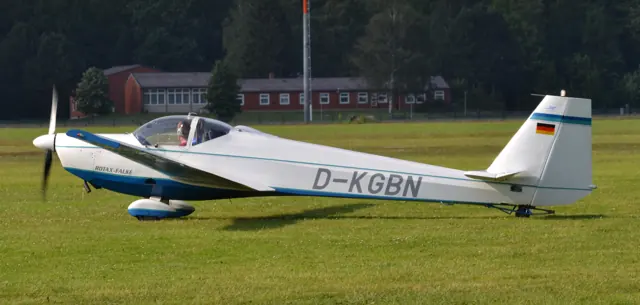
A side-by-side touring motorglider used for both powered flying and soaring.
A simulator-designed very light jet using the Citation Mustang as a reference.
A streamlined light twin helicopter, with the later Bell 230 in the same family.
A full-length double-deck airliner built for very high passenger capacity.
Piper's PA-31 utility twin, used in commuter, cargo and corporate transport.
A three-engine airliner that became a mainstay of Soviet and Russian passenger transport.
A composite, low-wing touring single with fixed gear and a turbocharged engine.
A rear-engined trijet built to bring jet service to shorter routes and smaller airports.
A composite two-seat light sport aircraft with an unobstructed cantilever high wing.
A small observation-helicopter family with a rounded cabin and compact rotor system.
A large twin-radial transport that carried heavy loads through wartime and post-war freight service.
A light turbine helicopter whose land-based Scout and naval Wasp branches served different jobs.
A European variable-sweep combat-aircraft family with distinct strike and interceptor versions.
An enclosed gyroplane represented in VSKYLABS’ X-Plane fleet.
A four-seat kit-built touring aircraft that expanded the RV family beyond two-seat designs.
A compact Japanese twin turboprop with a high wing and pressurised cabin.
A twin-engine utility helicopter with roots in the BK 117 and EC145 families.
A military transport developed from the DC-3, used for cargo, troops, parachuting and glider towing.
Cirrus's first type-certified aircraft, a composite piston single.
A simulated twin-turbine helicopter that explores no-tail-rotor anti-torque control.
New aircraft, useful sources and improvements to AirframeDB. Occasional updates, when there’s something to share.