X-Plane
De Havilland DHC-1 Chipmunk ↗
A Canadian tandem-seat trainer developed after the Second World War.
1 implementations+ Compare
Explore the aircraft. Find your simulator. Follow the sources.
A Canadian tandem-seat trainer developed after the Second World War.
A full-length double-deck airliner built for very high passenger capacity.
A narrow-body twin developed as a new generation of medium-range airliner.
A corrugated-metal transport best known in its three-engine form.
A large twin-engine helicopter from the Super Puma line, used for offshore and public-service work.
A tandem-seat light aircraft with a streamlined low-wing layout.
A retractable-gear touring single with an all-metal airframe and a long-lived enthusiast following.
A jet-powered military transport designed for both strategic loads and tactical airfield access.
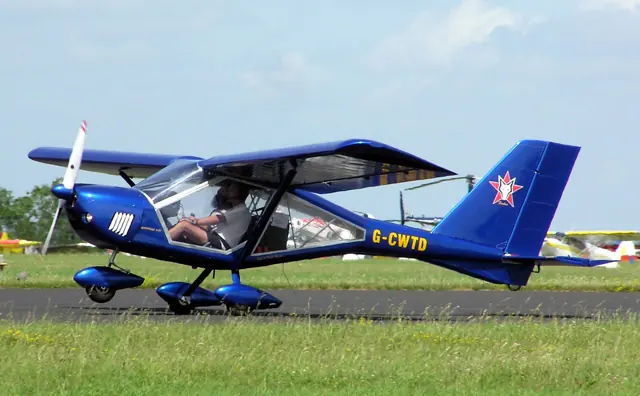
A high-wing light sport aircraft with a broad glazed cabin and tricycle landing gear.
A pressurised four-engine piston transport from the last major generation before the jet airliner.
A Brazilian light trainer with a high wing, tandem seats and a simple utility layout.
A long-haul twin whose family spans passenger, freight and specialist transport roles.
A modern composite twin with a roomy cabin and two wing-mounted piston engines.
A radial-engined utility aircraft closely associated with bush flying and float operations.
A compact utility helicopter distinguished by its enclosed Fenestron tail rotor.
The H130 utility helicopter, descended from the AS350 and fitted with a Fenestron.
A long-running touring single, familiar in both V-tail and conventional-tail forms.
An amphibious turboprop designed around scooping water and delivering it to fires.
A twin-engine business jet designed to retain some of the utility flexibility associated with the PC-12.
A light turbine helicopter combining an Alouette II airframe with more powerful Alouette III components.
A long-range twin whose programme emphasised composite construction and more electrically powered systems.
A huge wooden flying-boat prototype that made one brief flight in 1947.
Lockheed's wide-body TriStar, with three RB211 engines and a distinctive tail intake.
Tecnam's four-seat high-wing single, built with metal and carbon-fibre components.
New aircraft, useful sources and improvements to AirframeDB. Occasional updates, when there’s something to share.