X-Plane
McDonnell Douglas AV-8B Harrier II ↗
The second-generation Harrier, designed around vectored thrust and short-field operation.
1 implementations+ Compare
Explore the aircraft. Find your simulator. Follow the sources.
The second-generation Harrier, designed around vectored thrust and short-field operation.
A Swedish reconnaissance and dive-bombing aircraft from the early 1940s.
A two-seat composite light-aircraft family with a high wing and a compact enclosed cabin.
A cabin biplane with the lower wing placed ahead of the upper one.
A four-seat high-wing single that spans generations of conventional instruments and glass cockpits.
A high-wing utility turboprop designed for short-field passenger and cargo work.
A long-range fighter whose different engine and canopy developments produced several distinct forms.
An experimental French helicopter with two coaxial, counter-rotating rotors.
A compact Czech touring aircraft with side-by-side seats and a streamlined low-wing airframe.
An unpowered military cargo glider designed to deliver troops and equipment behind a tow aircraft.
A modern two-seat piston helicopter designed around the training role.
A radial-engined utility aircraft closely associated with bush flying and float operations.
A composite, low-wing touring single with fixed gear and a turbocharged engine.
A post-war Businessliner with a radial engine, cabin transport ambitions and tailwheel gear.
A compact regional turboprop with a pressurised cabin for up to 19 passengers.
The four-engine wide-body whose raised flight deck created one of aviation's most recognisable profiles.
A high-wing utility aircraft known for short-field work and a broad choice of working configurations.
A rear-engined trijet built to bring jet service to shorter routes and smaller airports.
A two-seat amphibian with a flying-boat hull and a pusher engine above the cabin.
A four-engine airliner that brought pressurised-cabin travel into scheduled service.
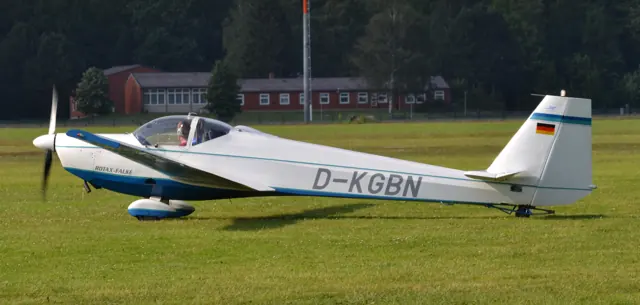
A side-by-side touring motorglider used for both powered flying and soaring.
Embraer's regional-jet family, from the ERJ 135 to the longer ERJ 145.
A twin-engine business jet designed to retain some of the utility flexibility associated with the PC-12.
A pressurised twin turboprop with a canard, composite airframe and rear-facing propellers.
New aircraft, useful sources and improvements to AirframeDB. Occasional updates, when there’s something to share.