MSFS
Tecnam P2010 ↗
Tecnam's four-seat high-wing single, built with metal and carbon-fibre components.
1 implementations+ Compare
Explore the aircraft. Find your simulator. Follow the sources.
Tecnam's four-seat high-wing single, built with metal and carbon-fibre components.
A light turbine helicopter whose land-based Scout and naval Wasp branches served different jobs.
Beechcraft's Model 76, designed to introduce pilots to twin-engine flying.
A low-wing agricultural Cessna with a cockpit and hopper arranged around the job.
A five-seat composite single whose development led to the diesel DA50 RG.
A four-bladed utility helicopter developed from the LongRanger lineage.
A compact racing aeroplane built around a large radial engine and very short fuselage.
A short-haul jet family that evolved through several generations of engines, wings and flight decks.
A two-seat composite kit aircraft developed from the Lancair 320.
A light amphibian with a hull, retractable wheels and a pusher propeller.
A wide-cabin business-jet family that developed from Canadair's original Challenger programme.
A composite amphibian that carries Dornier's centreline engine arrangement into the turboprop era.
A wooden touring-aircraft family recognisable by the upward-angled outer wing panels.
A short-field Savage with leading-edge slats and a distinct Got Friends simulator implementation.
A box-shaped utility twin whose cabin and rear access are central to its design.
A large twin-engine helicopter from the Super Puma line, used for offshore and public-service work.
A two-seat composite light-aircraft family with a high wing and a compact enclosed cabin.
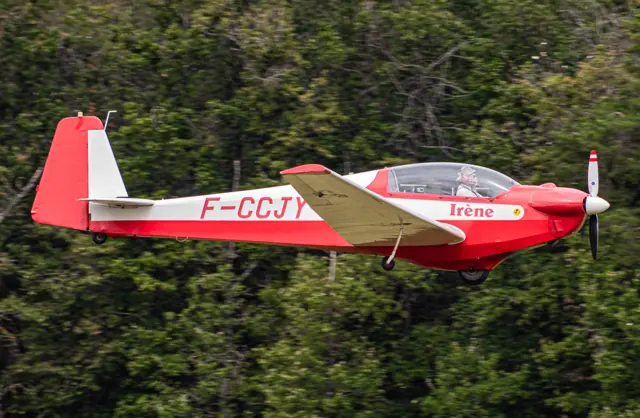
A tandem-seat development of Scheibe’s touring motorglider family.
A compact twin-engine helicopter widely used for medical, police and training work.
A personal jet with one engine above the rear fuselage and a distinctive V-tail.
A powered hang-glider wing above an amphibious inflatable boat.
An Italian light aircraft known for military training and aerobatic use.
A twin-turboprop family whose smaller conventional-tail and larger T-tail branches have distinct identities.
The second-generation Harrier, designed around vectored thrust and short-field operation.
New aircraft, useful sources and improvements to AirframeDB. Occasional updates, when there’s something to share.