MSFS
Lockheed L-1011 TriStar ↗
Lockheed's wide-body TriStar, with three RB211 engines and a distinctive tail intake.
1 implementations+ Compare
Explore the aircraft. Find your simulator. Follow the sources.
Lockheed's wide-body TriStar, with three RB211 engines and a distinctive tail intake.
A compact utility helicopter distinguished by its enclosed Fenestron tail rotor.
A two-seat composite light-aircraft family with a high wing and a compact enclosed cabin.
An electric-powered educational glider concept inspired by the human-powered MIT Daedalus 88.
A flyable interpretation of Testors’ 1980s speculative stealth-fighter design.
A short-field Savage with leading-edge slats and a distinct Got Friends simulator implementation.
A 1920s transport family that developed from a single-engine airliner into a trimotor.
A twin-turboprop family whose smaller conventional-tail and larger T-tail branches have distinct identities.
The Wilga is the real-aircraft starting point for Mike Patey's DRACO and the simulator's DRACO X.
A compact Italian light twin with a shoulder wing and metal airframe.
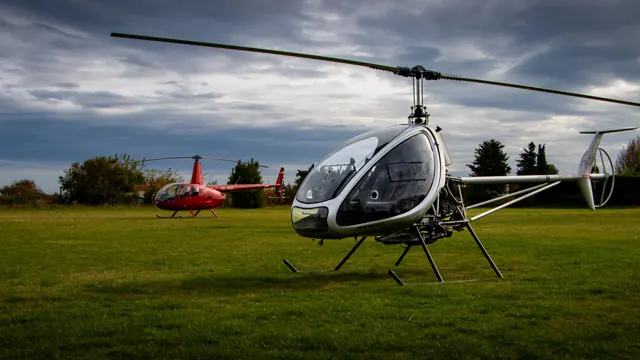
A Belgian light helicopter with two seats arranged side by side.
A single-engine utility helicopter known as the Écureuil, Squirrel and AStar.
A huge wooden flying-boat prototype that made one brief flight in 1947.
An open, single-seat ultralight with its propeller behind the pilot.
A six-engine heavy transport created for exceptionally large external and internal loads.
A two-seat naval fighter with variable-sweep wings and a cockpit built around pilot and radar-intercept officer roles.
A twin-turboprop regional airliner developed through Swedish and American industrial cooperation.
A composite amphibian that carries Dornier's centreline engine arrangement into the turboprop era.
Embraer's regional-jet family, from the ERJ 135 to the longer ERJ 145.
Dassault's long-range Falcon 8X, developed from the three-engine 7X.
An enclosed-cabin development of the Bell 47, shaped for passenger and executive transport.
A slender supersonic trainer with tandem seats and two small afterburning turbojets.
The second-generation Harrier, designed around vectored thrust and short-field operation.
A four-seat kit-built touring aircraft that expanded the RV family beyond two-seat designs.
New aircraft, useful sources and improvements to AirframeDB. Occasional updates, when there’s something to share.