MSFS
Bristell B23 ↗
BRM Aero's two-seat B23, represented in MSFS by Airfoillabs.
1 implementations+ Compare
Explore the aircraft. Find your simulator. Follow the sources.
BRM Aero's two-seat B23, represented in MSFS by Airfoillabs.
A Swedish reconnaissance and dive-bombing aircraft from the early 1940s.
A powered hang-glider wing above an amphibious inflatable boat.
An enclosed-cabin development of the Bell 47, shaped for passenger and executive transport.
A British jet trainer with tandem seating and a long military training career.
A short-field Savage with leading-edge slats and a distinct Got Friends simulator implementation.
A two-seat composite kit aircraft developed from the Lancair 320.
A post-war Czech light twin with a rounded cabin and engines carried on a low wing.
Japan’s postwar regional turboprop, with Rolls-Royce Dart power and a career spanning passenger, freight and specialist government flying.
A late-1930s cabin aircraft with metal construction and retractable landing gear.
Three fictional aircraft for exploring X-Plane’s atmosphere, terrain and extreme flight regimes.
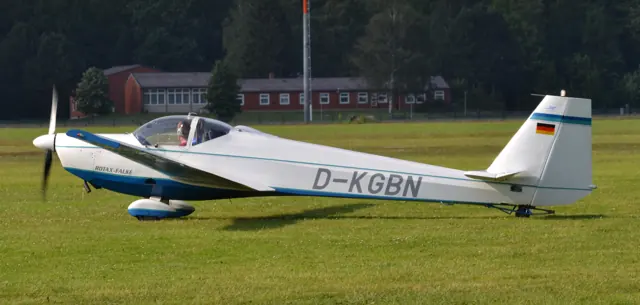
A side-by-side touring motorglider used for both powered flying and soaring.
A long-range twin designed around a new wide-body airframe and extensive composite construction.
Grumman’s small twin-engine amphibian: a flying boat with retractable wheels and a life spanning wartime service, private travel and seaplane training.
The turboprop-powered member of Beechcraft’s tandem-seat Mentor training family.
A small three-engine demonstrator created to explore technologies for a future supersonic airliner.
Piper's two-seat trainer with fixed tricycle landing gear.
Avro's delta-wing bomber, developed for Britain's postwar strategic force.
A compact two-seat light aircraft with a high wing and a wide range of development variants.
The Wilga is the real-aircraft starting point for Mike Patey's DRACO and the simulator's DRACO X.
A turbine-powered utility helicopter with a broad cabin and a long international service history.
A heavy transport helicopter whose two large rotors remove the need for a tail rotor.
A twin-engine business jet designed to retain some of the utility flexibility associated with the PC-12.
Pipistrel's streamlined four-seat composite-aircraft design.
New aircraft, useful sources and improvements to AirframeDB. Occasional updates, when there’s something to share.