MSFS
Mitsubishi MU-2 ↗
A compact Japanese twin turboprop with a high wing and pressurised cabin.
2 implementations+ Compare
Explore the aircraft. Find your simulator. Follow the sources.
A compact Japanese twin turboprop with a high wing and pressurised cabin.
A long-range fighter whose different engine and canopy developments produced several distinct forms.
A late member of the Nieuport V-strut scout family, remembered both as a First World War fighter and as an advanced trainer.
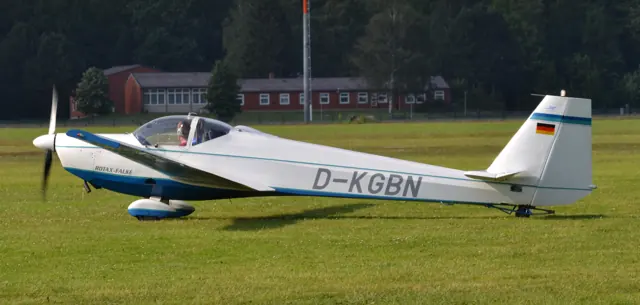
A side-by-side touring motorglider used for both powered flying and soaring.
The Wilga is the real-aircraft starting point for Mike Patey's DRACO and the simulator's DRACO X.
A five-seat turbine helicopter developed from Robinson's smaller piston-helicopter line.
A vast inter-war flying boat with twelve engines arranged in six paired installations.
A flyable interpretation of Testors’ 1980s speculative stealth-fighter design.
A single-seat helicopter originally developed as a homebuilt kit.
A rear-engined trijet built to bring jet service to shorter routes and smaller airports.
A high-wing utility turboprop designed for short-field passenger and cargo work.
A low-wing agricultural Cessna with a cockpit and hopper arranged around the job.
A utility piston twin designed for commuter and specialist transport missions.
The Stationair utility family, combining a high wing with fixed landing gear.
A slender supersonic trainer with tandem seats and two small afterburning turbojets.
A four-seat touring family whose Commander 114 added a larger engine and further refinements.
A simulated twin-turbine helicopter that explores no-tail-rotor anti-torque control.
A hybrid-electric regional-airliner concept represented in the simulator while the real programme develops.
A large twin-engine helicopter from the Super Puma line, used for offshore and public-service work.
A four-seat composite touring and training aircraft developed from Diamond's smaller two-seater.
A pressurised twin turboprop with a canard, composite airframe and rear-facing propellers.
A streamlined light twin helicopter, with the later Bell 230 in the same family.
A push-pull twin with one engine at each end of the central fuselage.
A cabin biplane with the lower wing placed ahead of the upper one.
New aircraft, useful sources and improvements to AirframeDB. Occasional updates, when there’s something to share.