MSFS X-Plane
Diamond DA20 / DV20 ↗
A two-seat composite trainer with a low wing and a large canopy.
3 implementations+ Compare
Explore the aircraft. Find your simulator. Follow the sources.
A two-seat composite trainer with a low wing and a large canopy.
A First World War trainer that became a familiar sight in the barnstorming era.
A heavy transport helicopter whose two large rotors remove the need for a tail rotor.
A tandem-seat canard homebuilt with a pusher engine and distinctive winglets.
A twin-turbine Huey descendant with a four-blade main rotor.
A twin-turboprop utility aircraft developed by Reims Aviation with Cessna.
A six-engine heavy transport created for exceptionally large external and internal loads.
A personal jet with one engine above the rear fuselage and a distinctive V-tail.
A four-bladed utility helicopter developed from the LongRanger lineage.
A light tandem-seat taildragger built around the familiar braced high-wing layout.
The Mitchell medium bomber, named for aviation advocate Billy Mitchell.
A purpose-built aerobatic monoplane family developed by pilot and designer Walter Extra.
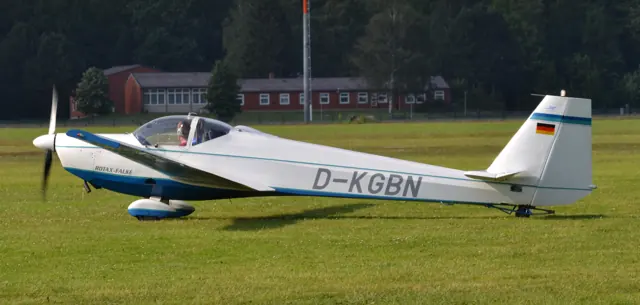
A side-by-side touring motorglider used for both powered flying and soaring.
A wartime fighter developed from the earlier Curtiss P-36.
A modern utility single whose family includes both tailwheel and nosewheel configurations.
A two-seat naval fighter with variable-sweep wings and a cockpit built around pilot and radar-intercept officer roles.
A high-wing utility turboprop designed for short-field passenger and cargo work.
A simulated twin-turbine helicopter that explores no-tail-rotor anti-torque control.
A five-seat composite single whose development led to the diesel DA50 RG.
Ted Smith's piston twin, later produced by Piper as the Aerostar.
A European variable-sweep combat-aircraft family with distinct strike and interceptor versions.
The fixed-gear, six-cylinder touring branch of Piper's PA-28 family.
A twin-turboprop family whose smaller conventional-tail and larger T-tail branches have distinct identities.
A four-seat high-wing single that spans generations of conventional instruments and glass cockpits.
New aircraft, useful sources and improvements to AirframeDB. Occasional updates, when there’s something to share.