MSFS
Piper L-4 Grasshopper ↗
The military Cub used for observation, liaison and transport between command posts.
2 implementations+ Compare
Explore the aircraft. Find your simulator. Follow the sources.
The military Cub used for observation, liaison and transport between command posts.
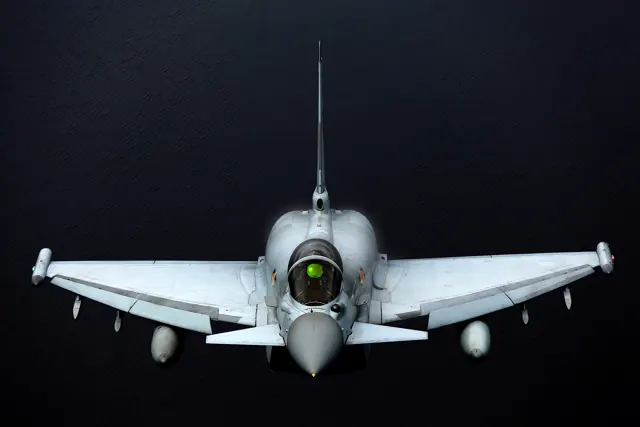
A multinational twin-engine fighter designed for air-to-air and air-to-surface missions.
A British jet trainer with tandem seating and a long military training career.
A variant of the ten-engine B-36 strategic bomber family.
The F-86F-30 Sabre with the six-three wing and hydraulic flight controls.
A carrier-training development of the Hawk with powered stabilator and ailerons.
A naval fighter whose simulated cockpit retains hand-cranked gear and pilot-operated trim.
The jet-powered Horten flying wing, represented with Jumo 004 engines.
An agile Northrop fighter whose long service also includes training and adversary roles.
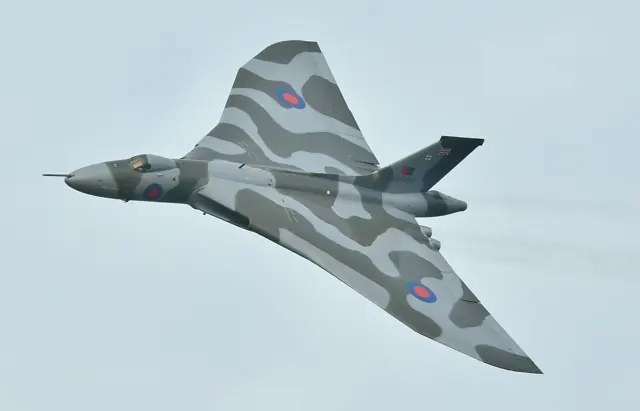
Avro's delta-wing bomber, developed for Britain's postwar strategic force.
The A-8 fighter represented with pushrod controls and electric stabiliser trim.
The Stirling bomber and transport family in Mk I, Mk III and Mk IV simulator versions.
A naval Spitfire development with folding wings, retractable gear and an arrestor hook.
The final production Lightning, with boosted ailerons and separate dive-recovery flaps.
A large piston-engined attack aircraft represented in several Skyraider variants.
A carrier fighter with manual controls, aileron spring tabs and hydraulic blowback flaps.
Lockheed's tandem-seat Shooting Star jet trainer.
A turboprop trainer with mechanical pitch control and hydraulically assisted roll.
The Hampden in early and late bomber and torpedo-bomber configurations.
A twin-engine observation and light attack aircraft used for forward air control.
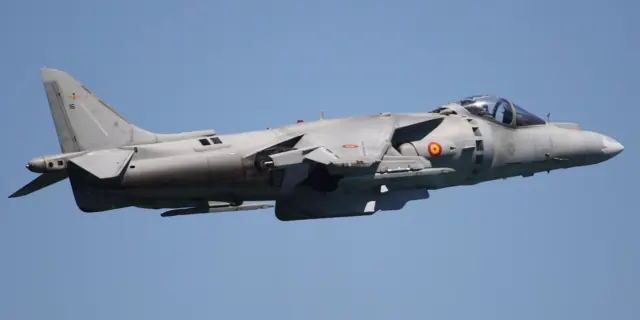
The second-generation Harrier, designed around vectored thrust and short-field operation.
The turboprop-powered member of Beechcraft’s tandem-seat Mentor training family.
New aircraft, useful sources and improvements to AirframeDB. Occasional updates, when there’s something to share.