MSFS X-Plane
Beechcraft Bonanza family ↗
A long-running touring single, familiar in both V-tail and conventional-tail forms.
7 implementations+ Compare
Explore the aircraft. Find your simulator. Follow the sources.
A long-running touring single, familiar in both V-tail and conventional-tail forms.
A radial-engined light transport whose long career covered passengers, freight and military training.
Avro's delta-wing bomber, developed for Britain's postwar strategic force.
An early CRJ regional jet with rear-mounted engines and a small airliner flight deck.
Embraer's regional-jet family, from the ERJ 135 to the longer ERJ 145.
A tandem two-seat sailplane family used for training and cross-country soaring.
A twin-hull flying boat with its engines mounted together above the wing.
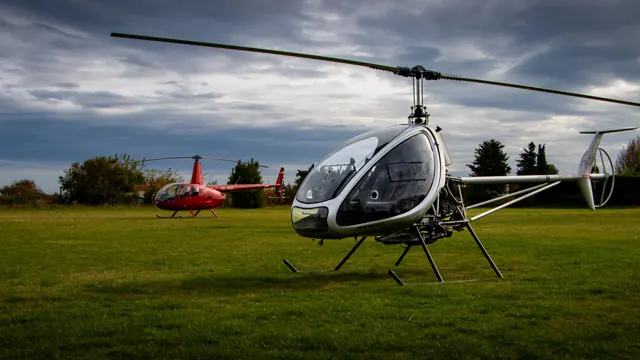
A Belgian light helicopter with two seats arranged side by side.
A four-seat touring family whose Commander 114 added a larger engine and further refinements.
A full-length double-deck airliner built for very high passenger capacity.
Cirrus's first type-certified aircraft, a composite piston single.
A close-air-support aircraft with a straight wing, twin tail and two widely separated jet engines.
A box-shaped utility twin whose cabin and rear access are central to its design.
A swept-wing business jet designed around high subsonic cruise speed.
A large twin-radial transport that carried heavy loads through wartime and post-war freight service.
A two-seat composite light-aircraft family with a high wing and a compact enclosed cabin.
The JetRanger and LongRanger family: a familiar turbine-helicopter shape with distinct cabin lengths.
A stretched development of the DC-9 with rear-mounted engines and a five-abreast cabin.
The tip-tanked turbofan Learjets, combining the classic compact airframe with longer range and careers in business, military and medical flying.
A modern composite twin with a roomy cabin and two wing-mounted piston engines.
A two-seat training single with a high wing and fixed tricycle landing gear.
Lockheed's wide-body TriStar, with three RB211 engines and a distinctive tail intake.
A Swedish reconnaissance and dive-bombing aircraft from the early 1940s.
The second-generation Harrier, designed around vectored thrust and short-field operation.
New aircraft, useful sources and improvements to AirframeDB. Occasional updates, when there’s something to share.