MSFS
Airbus Helicopter H225 ↗
A large twin-engine helicopter from the Super Puma line, used for offshore and public-service work.
1 implementations+ Compare
Explore the aircraft. Find your simulator. Follow the sources.
A large twin-engine helicopter from the Super Puma line, used for offshore and public-service work.
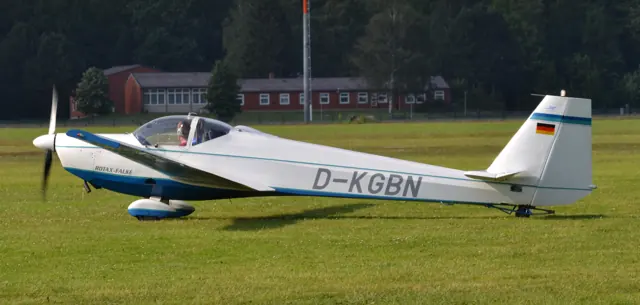
A side-by-side touring motorglider used for both powered flying and soaring.
A twin-engine utility helicopter with roots in the BK 117 and EC145 families.
An all-metal sport and touring aircraft from Bayerische Flugzeugwerke.
The purpose-built Ryan monoplane used by Charles Lindbergh for his 1927 solo Atlantic crossing.
A twin-engine business jet designed to retain some of the utility flexibility associated with the PC-12.
A British utility twin built around short regional and practical transport work.
The JetRanger and LongRanger family: a familiar turbine-helicopter shape with distinct cabin lengths.
A two-seat Tecnam high-wing aircraft combining composite and metal construction.
A four-engine airliner whose history also includes long-range maritime military service.
A two-seat composite kit aircraft developed from the Lancair 320.
Cirrus's first type-certified aircraft, a composite piston single.
A four-engine tactical transport built around a rear loading ramp and access to austere airfields.
An enclosed, two-seat autogyro with side-by-side seating and a pusher propeller.
A twin-aisle Boeing designed alongside the 757's generation of two-pilot flight decks.
A stretched development of the DC-9 with rear-mounted engines and a five-abreast cabin.
The Wilga is the real-aircraft starting point for Mike Patey's DRACO and the simulator's DRACO X.
A 1920s flying boat with two engines arranged in tandem above the wing.
An electric-powered educational glider concept inspired by the human-powered MIT Daedalus 88.
A European variable-sweep combat-aircraft family with distinct strike and interceptor versions.
A heavy-lift helicopter built around an open frame and an external working load.
A British jet trainer with tandem seating and a long military training career.
A late-1930s cabin aircraft with metal construction and retractable landing gear.
A two-seat amphibian with a flying-boat hull and a pusher engine above the cabin.
New aircraft, useful sources and improvements to AirframeDB. Occasional updates, when there’s something to share.