X-Plane
McDonnell Douglas KC-10 Extender ↗
A DC-10-derived tanker that combined aerial refuelling with passenger and cargo transport.
1 implementations+ Compare
Explore the aircraft. Find your simulator. Follow the sources.
A DC-10-derived tanker that combined aerial refuelling with passenger and cargo transport.
A box-shaped utility twin whose cabin and rear access are central to its design.
A two-seat Tecnam high-wing aircraft combining composite and metal construction.
Mooney's four-seat piston family, developed through many touring-aircraft variants.
An enclosed gyroplane represented in VSKYLABS’ X-Plane fleet.
A compact two-seat light aircraft with a high wing and a wide range of development variants.
A tandem two-seat sailplane designed for instruction and broader soaring use.
A simulated twin-turbine helicopter that explores no-tail-rotor anti-torque control.
The retractable member of Beechcraft’s Musketeer family: a roomy, four-cylinder travelling aircraft with an unusually large baggage door.
Lockheed's wide-body TriStar, with three RB211 engines and a distinctive tail intake.
The purpose-built Ryan monoplane used by Charles Lindbergh for his 1927 solo Atlantic crossing.
A high-wing twin turboprop developed for regional freight and passenger transport.
A retractable-gear touring single with an all-metal airframe and a long-lived enthusiast following.
A twin-engine business jet designed to retain some of the utility flexibility associated with the PC-12.
A light turbine helicopter whose land-based Scout and naval Wasp branches served different jobs.
A two-seat, twin-engine fighter that served naval and land-based air forces in many roles.
An experimental French helicopter with two coaxial, counter-rotating rotors.
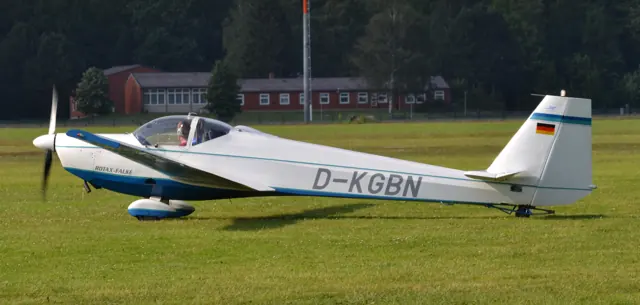
A side-by-side touring motorglider used for both powered flying and soaring.
A two-seat composite light-aircraft family with a high wing and a compact enclosed cabin.
A specialised reconnaissance aircraft designed for very high altitude and sustained supersonic flight.
The four-engine wide-body whose raised flight deck created one of aviation's most recognisable profiles.
The four-engine Flying Fortress, a major American bomber of the Second World War.
A modern composite twin with a roomy cabin and two wing-mounted piston engines.
A compact racing aeroplane built around a large radial engine and very short fuselage.
New aircraft, useful sources and improvements to AirframeDB. Occasional updates, when there’s something to share.