MSFS
Ford 4AT Trimotor ↗
A corrugated-metal, three-engine transport from the formative years of airline travel.
2 implementations+ Compare
Explore the aircraft. Find your simulator. Follow the sources.
A corrugated-metal, three-engine transport from the formative years of airline travel.
A cabin-class piston twin designed for commuter, cargo and utility work.
A compact racing aeroplane built around a large radial engine and very short fuselage.
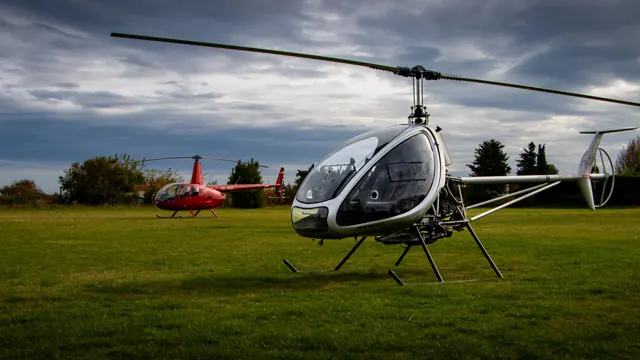
Cessna's unusual piston-powered helicopter, marketed as the Skyhook.
An advanced trainer known around the world as the Texan, Harvard and SNJ.
A modern two-seat piston helicopter designed around the training role.
Beechcraft's Model 76, designed to introduce pilots to twin-engine flying.
A light amphibian with a hull, retractable wheels and a pusher propeller.
A compact two-seat light aircraft with a high wing and a wide range of development variants.
The turboprop-powered member of Beechcraft’s tandem-seat Mentor training family.
A two-seat Tecnam high-wing aircraft combining composite and metal construction.
A late member of the Nieuport V-strut scout family, remembered both as a First World War fighter and as an advanced trainer.
A four-engine jetliner that helped establish the shape of long-distance jet travel.
The Stationair utility family, combining a high wing with fixed landing gear.
A tandem-seat homebuilt jet with composite construction and retractable landing gear.
A single-seat helicopter originally developed as a homebuilt kit.
A Belgian light helicopter with two seats arranged side by side.
The four-engine Flying Fortress, a major American bomber of the Second World War.
A high-wing twin turboprop developed for regional freight and passenger transport.
A 1920s transport family that developed from a single-engine airliner into a trimotor.
A pressurised regional airliner with a high wing and two Rolls-Royce Dart turboprops.
A British utility twin built around short regional and practical transport work.
Epic's experimental light-jet project, represented in simulation by Aerobask.
A cabin biplane with the lower wing placed ahead of the upper one.
New aircraft, useful sources and improvements to AirframeDB. Occasional updates, when there’s something to share.