MSFS
Airbus H145 ↗
A twin-engine utility helicopter with roots in the BK 117 and EC145 families.
1 implementations+ Compare
Explore the aircraft. Find your simulator. Follow the sources.
A twin-engine utility helicopter with roots in the BK 117 and EC145 families.
A two-seat composite kit aircraft developed from the Lancair 320.
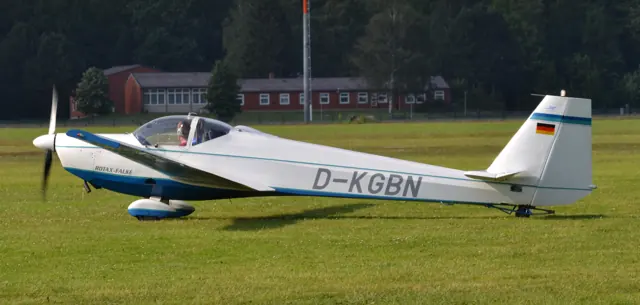
A side-by-side touring motorglider used for both powered flying and soaring.
A post-war Businessliner with a radial engine, cabin transport ambitions and tailwheel gear.
A two-seat composite light-aircraft family with a high wing and a compact enclosed cabin.
A long-running touring single, familiar in both V-tail and conventional-tail forms.
A light turbine helicopter whose land-based Scout and naval Wasp branches served different jobs.
A heavy transport helicopter whose two large rotors remove the need for a tail rotor.
A simulator-designed very light jet using the Citation Mustang as a reference.
Piper's PA-31 utility twin, used in commuter, cargo and corporate transport.
A large long-haul twin that introduced Boeing's first commercial fly-by-wire airliner flight controls.
A long-range trijet developed from the DC-10 with a stretched fuselage and revised wing and cockpit.
A compact utility helicopter distinguished by its enclosed Fenestron tail rotor.
Ted Smith's piston twin, later produced by Piper as the Aerostar.
A small two-seat piston helicopter with a two-bladed main rotor.
An enlarged Velocity kit aircraft with a canard and rear-mounted pusher propeller.
A long-range twin designed around a new wide-body airframe and extensive composite construction.
The Mitchell medium bomber, named for aviation advocate Billy Mitchell.
A small observation-helicopter family with a rounded cabin and compact rotor system.
An experimental twin-boom racing aircraft commissioned by Bob Pond and designed by Burt Rutan.
A fixed-gear twin turboprop with a long history in regional and remote-area transport.
A tandem-seat development of Scheibe’s touring motorglider family.
A compact regional turboprop with a pressurised cabin for up to 19 passengers.
A family of single-aisle airliners built around sidesticks, electronic flight controls and a shared cockpit.
New aircraft, useful sources and improvements to AirframeDB. Occasional updates, when there’s something to share.