X-Plane
McDonnell Douglas MD-11 ↗
A long-range trijet developed from the DC-10 with a stretched fuselage and revised wing and cockpit.
1 implementations+ Compare
Explore the aircraft. Find your simulator. Follow the sources.
A long-range trijet developed from the DC-10 with a stretched fuselage and revised wing and cockpit.
A twin-engine business jet designed to retain some of the utility flexibility associated with the PC-12.
A streamlined twin-engine helicopter with a Fenestron tail rotor and retractable landing gear.
A composite touring single with a whole-aircraft parachute and several generations of avionics.
A light business jet with a swept wing, rear-mounted engines and an integrated flight deck.
A composite, low-wing touring single with fixed gear and a turbocharged engine.
A wooden touring-aircraft family recognisable by the upward-angled outer wing panels.
A super-midsize business jet with a swept wing, rear-mounted engines and an integrated glass cockpit.
A compact twin-engine helicopter widely used for medical, police and training work.
A very light twin jet developed from the Eclipse 500.
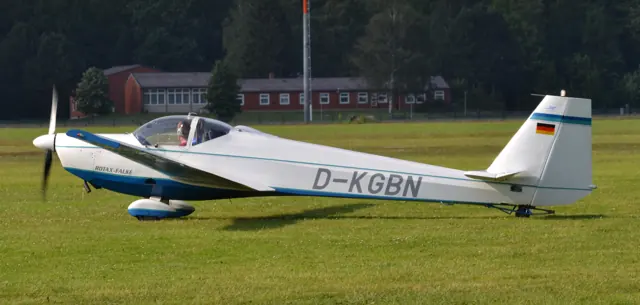
A side-by-side touring motorglider used for both powered flying and soaring.
The retractable member of Beechcraft’s Musketeer family: a roomy, four-cylinder travelling aircraft with an unusually large baggage door.
A two-seat, twin-engine fighter that served naval and land-based air forces in many roles.
A two-seat touring motorglider with interchangeable wing tips.
A twin-turboprop utility aircraft developed by Reims Aviation with Cessna.
A single-seat helicopter originally developed as a homebuilt kit.
A four-seat touring family whose Commander 114 added a larger engine and further refinements.
A pressurised regional airliner with a high wing and two Rolls-Royce Dart turboprops.
An experimental twin-boom racing aircraft commissioned by Bob Pond and designed by Burt Rutan.
A two-seat composite light-aircraft family with a high wing and a compact enclosed cabin.
A small twin-engine amphibian that moved from business transport into military and utility service.
A shorter wide-body Airbus from the transition to two-pilot, electronic-instrument cockpits.
The purpose-built Ryan monoplane used by Charles Lindbergh for his 1927 solo Atlantic crossing.
A tandem two-seat sailplane designed for instruction and broader soaring use.
New aircraft, useful sources and improvements to AirframeDB. Occasional updates, when there’s something to share.