X-Plane
Junkers A50 Junior (modern) ↗
A modern open-cockpit light aircraft that revives the corrugated-metal style of the 1929 A50.
1 implementations+ Compare
Explore the aircraft. Find your simulator. Follow the sources.
A modern open-cockpit light aircraft that revives the corrugated-metal style of the 1929 A50.
A compact racing aeroplane built around a large radial engine and very short fuselage.
The Mitchell medium bomber, named for aviation advocate Billy Mitchell.
A twin-turboprop family whose smaller conventional-tail and larger T-tail branches have distinct identities.
A 1920s flying boat with two engines arranged in tandem above the wing.
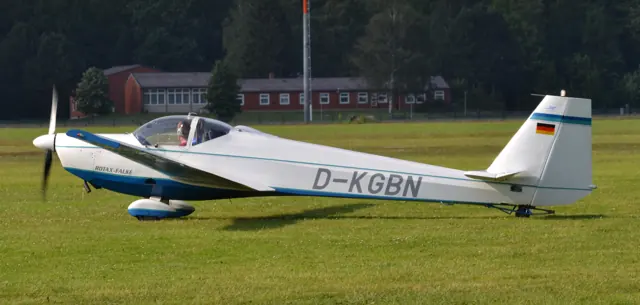
A side-by-side touring motorglider used for both powered flying and soaring.
A two-seat Tecnam high-wing aircraft combining composite and metal construction.
A large twin-engine helicopter from the Super Puma line, used for offshore and public-service work.
A two-seat training single with a high wing and fixed tricycle landing gear.
A five-seat turbine helicopter developed from Robinson's smaller piston-helicopter line.
A composite two-seat light sport aircraft with an unobstructed cantilever high wing.
A purpose-built agricultural aircraft that also became a single-engine air tanker.
The turboprop-powered member of Beechcraft’s tandem-seat Mentor training family.
A compact utility helicopter distinguished by its enclosed Fenestron tail rotor.
A low-wing piston family that spans simple trainers, touring aircraft and retractable-gear Arrows.
The purpose-built Ryan monoplane used by Charles Lindbergh for his 1927 solo Atlantic crossing.
The four-engine Flying Fortress, a major American bomber of the Second World War.
A late member of the Nieuport V-strut scout family, remembered both as a First World War fighter and as an advanced trainer.
A four-engine Airbus wide-body developed in parallel with the A330.
A four-seat, pressurised kit aircraft with a composite airframe and retractable landing gear.
A compact twin-engine helicopter widely used for medical, police and training work.
A three-engine airliner that became a mainstay of Soviet and Russian passenger transport.
The second-generation Harrier, designed around vectored thrust and short-field operation.
A two-seat, twin-engine fighter that served naval and land-based air forces in many roles.
New aircraft, useful sources and improvements to AirframeDB. Occasional updates, when there’s something to share.