MSFS
Lockheed L-1011 TriStar ↗
Lockheed's wide-body TriStar, with three RB211 engines and a distinctive tail intake.
1 implementations+ Compare
Explore the aircraft. Find your simulator. Follow the sources.
Lockheed's wide-body TriStar, with three RB211 engines and a distinctive tail intake.
A long-range twin whose programme emphasised composite construction and more electrically powered systems.
A composite amphibian that carries Dornier's centreline engine arrangement into the turboprop era.
A five-seat turbine helicopter developed from Robinson's smaller piston-helicopter line.
A DC-10-derived tanker that combined aerial refuelling with passenger and cargo transport.
Mooney's four-seat piston family, developed through many touring-aircraft variants.
A simulated twin-turbine helicopter that explores no-tail-rotor anti-torque control.
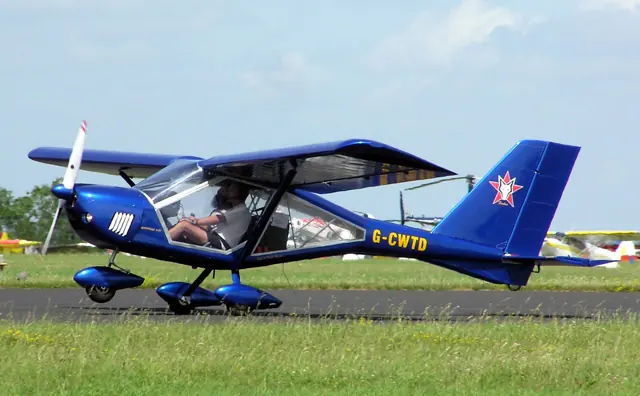
A high-wing light sport aircraft with a broad glazed cabin and tricycle landing gear.
A shorter wide-body Airbus from the transition to two-pilot, electronic-instrument cockpits.
A rear-engined trijet built to bring jet service to shorter routes and smaller airports.
A pressurised touring twin whose piston and turbine-conversion versions make a particularly interesting comparison.
A small three-engine demonstrator created to explore technologies for a future supersonic airliner.
A two-seat training single with a high wing and fixed tricycle landing gear.
A carrier-capable multirole fighter, larger than the earlier Hornet from which it developed.
The purpose-built Ryan monoplane used by Charles Lindbergh for his 1927 solo Atlantic crossing.
Airbus's first production aircraft, built around a twin-engine wide-body layout.
A single-engine turboprop workhorse for passenger services, freight and remote-area transport.
A light business jet with a swept wing, rear-mounted engines and an integrated flight deck.
A full-length double-deck airliner built for very high passenger capacity.
A radial-engined utility aircraft closely associated with bush flying and float operations.
A pressurised single-engine turboprop family that combines a compact cabin with retractable gear.
A British utility twin built around short regional and practical transport work.
A compact Italian light twin with a shoulder wing and metal airframe.
A two-seat amphibian with a flying-boat hull and a pusher engine above the cabin.
New aircraft, useful sources and improvements to AirframeDB. Occasional updates, when there’s something to share.