X-Plane
Maule M-7 ↗
A tailwheel utility aircraft with a high wing and a large cabin loading door.
1 implementations+ Compare
Explore the aircraft. Find your simulator. Follow the sources.
A tailwheel utility aircraft with a high wing and a large cabin loading door.
An early CRJ regional jet with rear-mounted engines and a small airliner flight deck.
A two-seat light amphibian with a compact boat hull and a pusher propeller.
A large amphibious flying boat built around maritime rescue and utility transport.
A Belgian light helicopter with two seats arranged side by side.
A long-running touring single, familiar in both V-tail and conventional-tail forms.
A midsize business jet developed by Bombardier’s Learjet division.
BRM Aero's two-seat B23, represented in MSFS by Airfoillabs.
A British jet trainer with tandem seating and a long military training career.
A compact utility helicopter distinguished by its enclosed Fenestron tail rotor.
A pressurised regional airliner with a high wing and two Rolls-Royce Dart turboprops.
Epic's experimental light-jet project, represented in simulation by Aerobask.
A Brazilian light trainer with a high wing, tandem seats and a simple utility layout.
A First World War trainer that became a familiar sight in the barnstorming era.
A side-by-side two-seat sailplane with a retractable powerplant for self-launching.
A two-seat touring motorglider with interchangeable wing tips.
A tandem two-seat sailplane designed for instruction and broader soaring use.
The Wilga is the real-aircraft starting point for Mike Patey's DRACO and the simulator's DRACO X.
An advanced trainer known around the world as the Texan, Harvard and SNJ.
A 1920s transport family that developed from a single-engine airliner into a trimotor.
A wooden touring-aircraft family recognisable by the upward-angled outer wing panels.
The four-engine Flying Fortress, a major American bomber of the Second World War.
A long-range twin whose programme emphasised composite construction and more electrically powered systems.
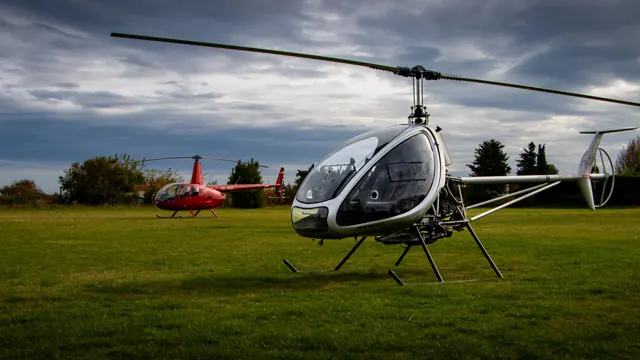
A pioneering light helicopter whose bubble cabin and exposed structure became widely recognisable.
New aircraft, useful sources and improvements to AirframeDB. Occasional updates, when there’s something to share.