X-Plane
Cessna 206 Stationair ↗
The Stationair utility family, combining a high wing with fixed landing gear.
1 implementations+ Compare
Explore the aircraft. Find your simulator. Follow the sources.
The Stationair utility family, combining a high wing with fixed landing gear.
A two-seat Tecnam high-wing aircraft combining composite and metal construction.
A huge wooden flying-boat prototype that made one brief flight in 1947.
A purpose-built aerobatic monoplane family developed by pilot and designer Walter Extra.
Tecnam's two-seat, low-wing Sierra, introduced in the early 2000s.
A five-seat composite single whose development led to the diesel DA50 RG.
A compact aerobatic biplane family with both single-seat and tandem-seat branches.
Pipistrel's streamlined four-seat composite-aircraft design.
Grumman’s small twin-engine amphibian: a flying boat with retractable wheels and a life spanning wartime service, private travel and seaplane training.
A cabin-class piston twin designed for commuter, cargo and utility work.
A compact Japanese twin turboprop with a high wing and pressurised cabin.
A midsize business jet developed by Bombardier’s Learjet division.
The H130 utility helicopter, descended from the AS350 and fitted with a Fenestron.
The Model 525 CitationJet, the starting point of Cessna's CJ and M2 lineage.
The JetRanger and LongRanger family: a familiar turbine-helicopter shape with distinct cabin lengths.
A composite touring single with a whole-aircraft parachute and several generations of avionics.
A wooden touring-aircraft family recognisable by the upward-angled outer wing panels.
A modern composite twin with a roomy cabin and two wing-mounted piston engines.
A Canadian tandem-seat trainer developed after the Second World War.
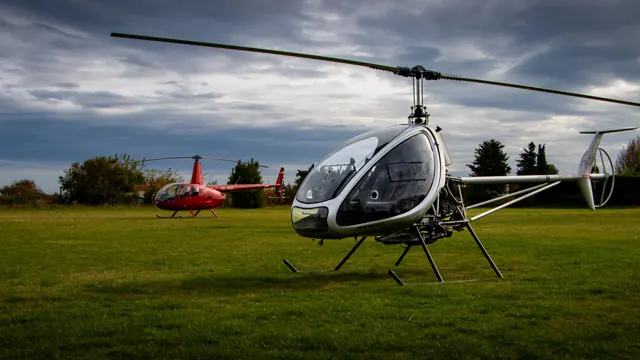
A Belgian light helicopter with two seats arranged side by side.
A four-engine jetliner that helped establish the shape of long-distance jet travel.
A light turbine helicopter whose land-based Scout and naval Wasp branches served different jobs.
A pressurised single-engine turboprop family that combines a compact cabin with retractable gear.
The purpose-built Ryan monoplane used by Charles Lindbergh for his 1927 solo Atlantic crossing.
New aircraft, useful sources and improvements to AirframeDB. Occasional updates, when there’s something to share.