MSFS
Flight Design CTSL ↗
A two-seat composite light-aircraft family with a high wing and a compact enclosed cabin.
2 implementations+ Compare
Explore the aircraft. Find your simulator. Follow the sources.
A two-seat composite light-aircraft family with a high wing and a compact enclosed cabin.
A four-engine airliner whose history also includes long-range maritime military service.
A push-pull twin with one engine at each end of the central fuselage.
A stretched development of the DC-9 with rear-mounted engines and a five-abreast cabin.
A two-seat amphibian with a flying-boat hull and a pusher engine above the cabin.
A four-abreast regional-jet family spanning the E170, E175, E190 and E195.
A pressurised four-engine piston transport from the last major generation before the jet airliner.
A late-war single-seat jet fighter with its engine mounted above the fuselage.
An enlarged Velocity kit aircraft with a canard and rear-mounted pusher propeller.
A high-wing utility turboprop designed for short-field passenger and cargo work.
Piper's two-seat trainer with fixed tricycle landing gear.
Lockheed's tandem-seat Shooting Star jet trainer.
A French two-seat aerobatic trainer with side-by-side seating and a distinctive curved wing outline.
An Italian light aircraft known for military training and aerobatic use.
A single-seat aerobatic monoplane that also became a familiar air-racing aircraft.
An amphibious turboprop designed around scooping water and delivering it to fires.
The Mitchell medium bomber, named for aviation advocate Billy Mitchell.
A four-engine jetliner that helped establish the shape of long-distance jet travel.
A wartime fighter developed from the earlier Curtiss P-36.
A wooden touring-aircraft family recognisable by the upward-angled outer wing panels.
A simulator-designed very light jet using the Citation Mustang as a reference.
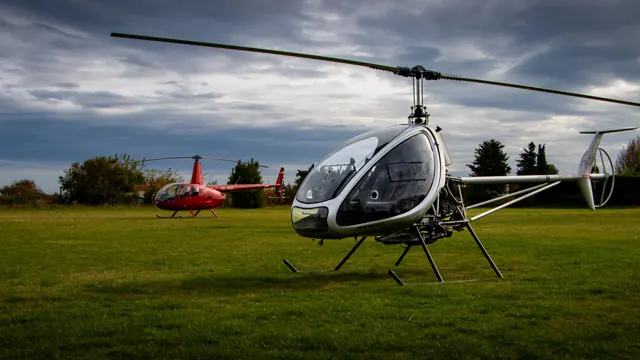
A Belgian light helicopter with two seats arranged side by side.
A twin-turboprop utility aircraft developed by Reims Aviation with Cessna.
A 1920s flying boat with two engines arranged in tandem above the wing.
New aircraft, useful sources and improvements to AirframeDB. Occasional updates, when there’s something to share.