MSFS
Tecnam P2008 ↗
A two-seat Tecnam high-wing aircraft combining composite and metal construction.
1 implementations+ Compare
Explore the aircraft. Find your simulator. Follow the sources.
A two-seat Tecnam high-wing aircraft combining composite and metal construction.
A post-war Czech light twin with a rounded cabin and engines carried on a low wing.
A two-seat composite kit aircraft developed from the Lancair 320.
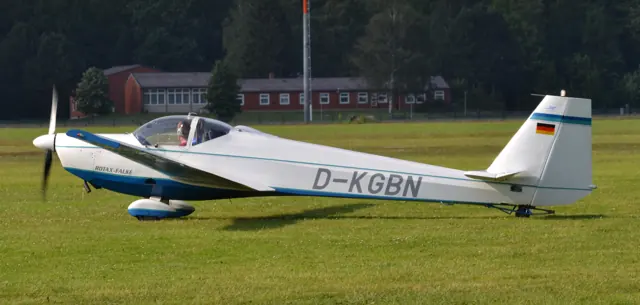
A side-by-side touring motorglider used for both powered flying and soaring.
The fixed-gear, six-cylinder touring branch of Piper's PA-28 family.
A post-war Businessliner with a radial engine, cabin transport ambitions and tailwheel gear.
The tip-tanked turbofan Learjets, combining the classic compact airframe with longer range and careers in business, military and medical flying.
A utility-aircraft family whose stretched 207 branch trades compact proportions for more cabin space.
A pioneering light helicopter whose bubble cabin and exposed structure became widely recognisable.
A heavy transport helicopter whose two large rotors remove the need for a tail rotor.
A hybrid-electric regional-airliner concept represented in the simulator while the real programme develops.
A light tandem-seat taildragger built around the familiar braced high-wing layout.
A lightweight short-field aircraft with a specialised wing and tall, shock-absorbing landing gear.
A large amphibious flying boat built around maritime rescue and utility transport.
A tandem-seat utility aircraft whose light structure and high wing suit bush, towing and recreational work.
A utility piston twin designed for commuter and specialist transport missions.
The retractable member of Beechcraft’s Musketeer family: a roomy, four-cylinder travelling aircraft with an unusually large baggage door.
Piper's two-seat trainer with fixed tricycle landing gear.
A long-range twin whose programme emphasised composite construction and more electrically powered systems.
Japan’s postwar regional turboprop, with Rolls-Royce Dart power and a career spanning passenger, freight and specialist government flying.
A simulated twin-turbine helicopter that explores no-tail-rotor anti-torque control.
A stretched development of the DC-9 with rear-mounted engines and a five-abreast cabin.
The Mitchell medium bomber, named for aviation advocate Billy Mitchell.
A turbine-powered utility helicopter with a broad cabin and a long international service history.
New aircraft, useful sources and improvements to AirframeDB. Occasional updates, when there’s something to share.