MSFS X-Plane
Pilatus PC-6 B2 ↗
A high-wing utility aircraft known for short-field work and a broad choice of working configurations.
4 implementations+ Compare
Explore the aircraft. Find your simulator. Follow the sources.
A high-wing utility aircraft known for short-field work and a broad choice of working configurations.
A four-engine airliner that brought pressurised-cabin travel into scheduled service.
A fixed-wing observation aircraft with a helicopter-like view from its glazed nose.
A simulated twin-turbine helicopter that explores no-tail-rotor anti-torque control.
A compact utility helicopter distinguished by its enclosed Fenestron tail rotor.
A wartime fighter developed from the earlier Curtiss P-36.
An open-cockpit biplane trainer that found a second life in civilian flying.
A single-seat competition sailplane offered in Standard and 18-metre configurations.
A long-range twin whose programme emphasised composite construction and more electrically powered systems.
An early CRJ regional jet with rear-mounted engines and a small airliner flight deck.
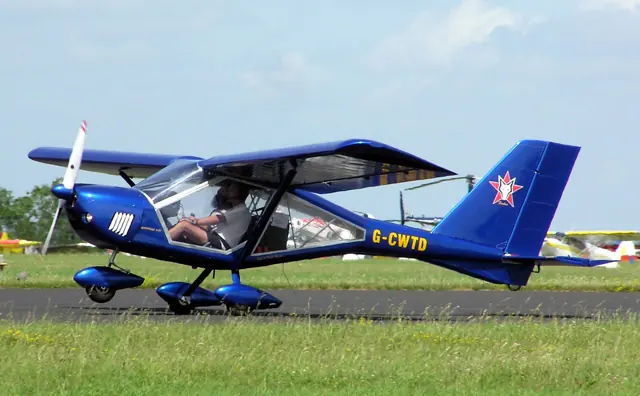
A high-wing light sport aircraft with a broad glazed cabin and tricycle landing gear.
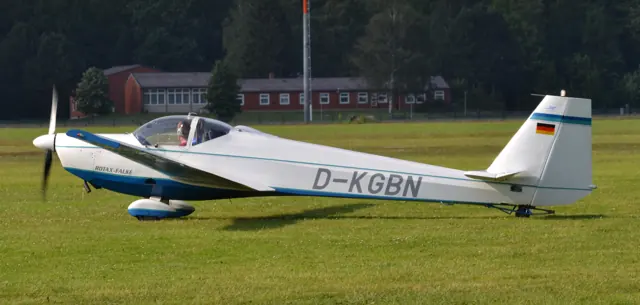
A side-by-side touring motorglider used for both powered flying and soaring.
A 1920s transport family that developed from a single-engine airliner into a trimotor.
The H130 utility helicopter, descended from the AS350 and fitted with a Fenestron.
A five-seat turbine helicopter developed from Robinson's smaller piston-helicopter line.
An enclosed gyroplane represented in VSKYLABS’ X-Plane fleet.
A very light twin jet developed from the Eclipse 500.
A four-engine airliner whose history also includes long-range maritime military service.
A modern composite twin with a roomy cabin and two wing-mounted piston engines.
A carbon-fibre aerobatic monoplane family with a dedicated air-racing branch.
A box-shaped utility twin whose cabin and rear access are central to its design.
A four-engine Airbus wide-body developed in parallel with the A330.
A four-seat high-wing single that spans generations of conventional instruments and glass cockpits.
The Wilga is the real-aircraft starting point for Mike Patey's DRACO and the simulator's DRACO X.
New aircraft, useful sources and improvements to AirframeDB. Occasional updates, when there’s something to share.