MSFS
Rockwell Commander 114 ↗
A four-seat touring family whose Commander 114 added a larger engine and further refinements.
1 implementations+ Compare
Explore the aircraft. Find your simulator. Follow the sources.
A four-seat touring family whose Commander 114 added a larger engine and further refinements.
A vast inter-war flying boat with twelve engines arranged in six paired installations.
A pressurised regional airliner with a high wing and two Rolls-Royce Dart turboprops.
A streamlined twin-engine helicopter with a Fenestron tail rotor and retractable landing gear.
A fixed-gear twin turboprop with a long history in regional and remote-area transport.
A pressurised twin turboprop with a canard, composite airframe and rear-facing propellers.
A compact Italian light twin with a shoulder wing and metal airframe.
A corrugated-metal, three-engine transport from the formative years of airline travel.
Two related Dutch regional jets developed from the F28 lineage.
An enlarged Velocity kit aircraft with a canard and rear-mounted pusher propeller.
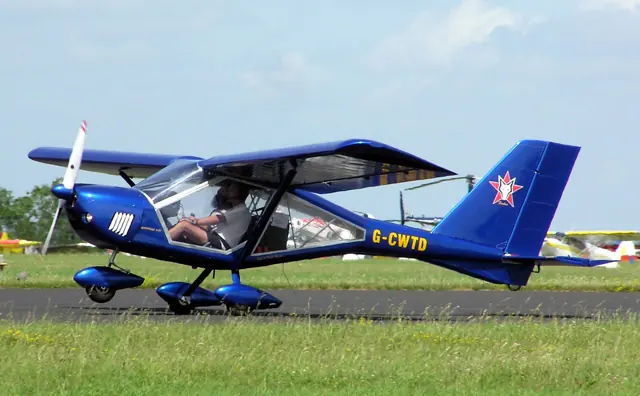
A high-wing light sport aircraft with a broad glazed cabin and tricycle landing gear.
A DC-10-derived tanker that combined aerial refuelling with passenger and cargo transport.
A pressurised touring twin whose piston and turbine-conversion versions make a particularly interesting comparison.
A long-range twin whose programme emphasised composite construction and more electrically powered systems.
A four-engine tactical transport built around a rear loading ramp and access to austere airfields.
A tandem-seat utility aircraft whose light structure and high wing suit bush, towing and recreational work.
The four-engine wide-body whose raised flight deck created one of aviation's most recognisable profiles.
The purpose-built Ryan monoplane used by Charles Lindbergh for his 1927 solo Atlantic crossing.
A five-seat turbine helicopter developed from Robinson's smaller piston-helicopter line.
An early CRJ regional jet with rear-mounted engines and a small airliner flight deck.
A hybrid-electric regional-airliner concept represented in the simulator while the real programme develops.
A stretched development of the DC-9 with rear-mounted engines and a five-abreast cabin.
A fixed-wing observation aircraft with a helicopter-like view from its glazed nose.
A modern medium twin-engine helicopter developed as a successor to the Dauphin line.
New aircraft, useful sources and improvements to AirframeDB. Occasional updates, when there’s something to share.