MSFS
Fokker 70 / 100 ↗
Two related Dutch regional jets developed from the F28 lineage.
1 implementations+ Compare
Explore the aircraft. Find your simulator. Follow the sources.
Two related Dutch regional jets developed from the F28 lineage.
A cabin-class piston twin designed for commuter, cargo and utility work.
A twin-turbine Huey descendant with a four-blade main rotor.
A wartime fighter developed from the earlier Curtiss P-36.
A tailwheel utility single built around a high wing and a substantial working cabin.
A side-by-side two-seat sailplane with a retractable powerplant for self-launching.
Pipistrel's streamlined four-seat composite-aircraft design.
Cessna's retractable-gear Centurion, a high-wing touring aircraft.
A long-range strategic bomber with a swept wing and eight jet engines in paired pods.
A DC-10-derived tanker that combined aerial refuelling with passenger and cargo transport.
A large twin-radial transport that carried heavy loads through wartime and post-war freight service.
A tandem-seat light aircraft with a streamlined low-wing layout.
A self-launching sailplane family with its engine inside the fuselage and a folding nose propeller.
A late-war single-seat jet fighter with its engine mounted above the fuselage.
An early CRJ regional jet with rear-mounted engines and a small airliner flight deck.
SOCATA's touring-aircraft family, including the Tobago and Trinidad.
The Mitchell medium bomber, named for aviation advocate Billy Mitchell.
BRM Aero's two-seat B23, represented in MSFS by Airfoillabs.
A modern two-seat piston helicopter designed around the training role.
Tecnam's two-seat, low-wing Sierra, introduced in the early 2000s.
A 1920s transport family that developed from a single-engine airliner into a trimotor.
A twin-engine utility helicopter with roots in the BK 117 and EC145 families.
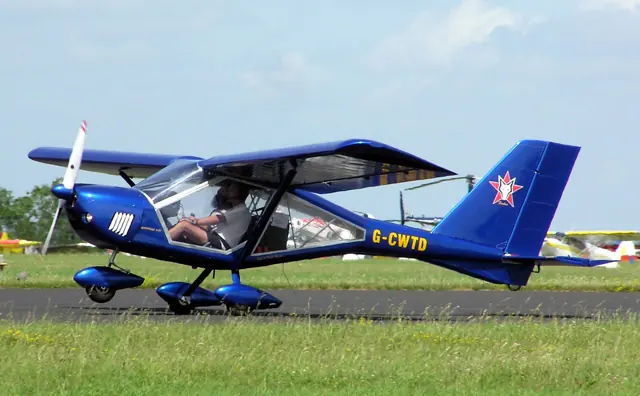
A high-wing light sport aircraft with a broad glazed cabin and tricycle landing gear.
New aircraft, useful sources and improvements to AirframeDB. Occasional updates, when there’s something to share.