MSFS X-Plane
North American P-51 Mustang ↗
A long-range fighter whose different engine and canopy developments produced several distinct forms.
2 implementations+ Compare
Explore the aircraft. Find your simulator. Follow the sources.
A long-range fighter whose different engine and canopy developments produced several distinct forms.
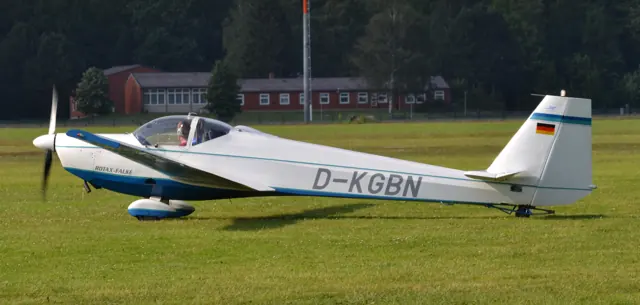
A side-by-side touring motorglider used for both powered flying and soaring.
A military transport developed from the DC-3, used for cargo, troops, parachuting and glider towing.
A modern two-seat piston helicopter designed around the training role.
A light turbine helicopter combining an Alouette II airframe with more powerful Alouette III components.
A radial-engined utility aircraft closely associated with bush flying and float operations.
A four-engine airliner whose history also includes long-range maritime military service.
SOCATA's touring-aircraft family, including the Tobago and Trinidad.
A tandem-seat development of Scheibe’s touring motorglider family.
A light business jet with a swept wing, rear-mounted engines and an integrated flight deck.
Airbus's first production aircraft, built around a twin-engine wide-body layout.
A box-shaped utility twin whose cabin and rear access are central to its design.
The H130 utility helicopter, descended from the AS350 and fitted with a Fenestron.
Regional flying built around a high wing, two turboprops and short sectors.
A wide-cabin business-jet family that developed from Canadair's original Challenger programme.
A 1920s flying boat with two engines arranged in tandem above the wing.
A four-engine military turboprop designed to combine tactical access with long-distance transport.
A twin-hull flying boat with its engines mounted together above the wing.
A twin-turboprop regional airliner developed through Swedish and American industrial cooperation.
A small open gyroplane with an unpowered rotor and pusher propulsion.
A two-seat light aircraft with folding wings and a choice of nosewheel or tailwheel gear.
A four-seat composite touring and training aircraft developed from Diamond's smaller two-seater.
The second-generation Harrier, designed around vectored thrust and short-field operation.
A two-seat amphibian with a flying-boat hull and a pusher engine above the cabin.
New aircraft, useful sources and improvements to AirframeDB. Occasional updates, when there’s something to share.