MSFS
Learjet 35 / 36 ↗
The tip-tanked turbofan Learjets, combining the classic compact airframe with longer range and careers in business, military and medical flying.
2 implementations+ Compare
Explore the aircraft. Find your simulator. Follow the sources.
The tip-tanked turbofan Learjets, combining the classic compact airframe with longer range and careers in business, military and medical flying.
A short-haul jet family that evolved through several generations of engines, wings and flight decks.
A shorter wide-body Airbus from the transition to two-pilot, electronic-instrument cockpits.
Mooney's four-seat piston family, developed through many touring-aircraft variants.
A four-seat, pressurised kit aircraft with a composite airframe and retractable landing gear.
The fixed-gear, six-cylinder touring branch of Piper's PA-28 family.
A composite touring single with a whole-aircraft parachute and several generations of avionics.
A high-wing utility aircraft known for short-field work and a broad choice of working configurations.
A purpose-built aerobatic monoplane family developed by pilot and designer Walter Extra.
A tandem two-seat sailplane designed for instruction and broader soaring use.
The turboprop-powered member of Beechcraft’s tandem-seat Mentor training family.
A twin-turbine Huey descendant with a four-blade main rotor.
A long-haul twin whose family spans passenger, freight and specialist transport roles.
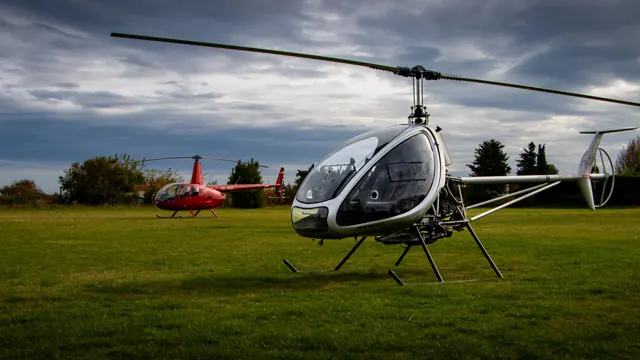
A Belgian light helicopter with two seats arranged side by side.
The purpose-built Ryan monoplane used by Charles Lindbergh for his 1927 solo Atlantic crossing.
The Wilga is the real-aircraft starting point for Mike Patey's DRACO and the simulator's DRACO X.
A three-engine airliner that became a mainstay of Soviet and Russian passenger transport.
A four-seat composite touring and training aircraft developed from Diamond's smaller two-seater.
A light amphibian with a hull, retractable wheels and a pusher propeller.
A two-seat touring motorglider with interchangeable wing tips.
A fixed-gear twin turboprop with a long history in regional and remote-area transport.
The second-generation Harrier, designed around vectored thrust and short-field operation.
A light turbine helicopter whose land-based Scout and naval Wasp branches served different jobs.
An amphibious turboprop designed around scooping water and delivering it to fires.
New aircraft, useful sources and improvements to AirframeDB. Occasional updates, when there’s something to share.