MSFS
Fokker 70 / 100 ↗
Two related Dutch regional jets developed from the F28 lineage.
1 implementations+ Compare
Explore the aircraft. Find your simulator. Follow the sources.
Two related Dutch regional jets developed from the F28 lineage.
A light turbine helicopter whose land-based Scout and naval Wasp branches served different jobs.
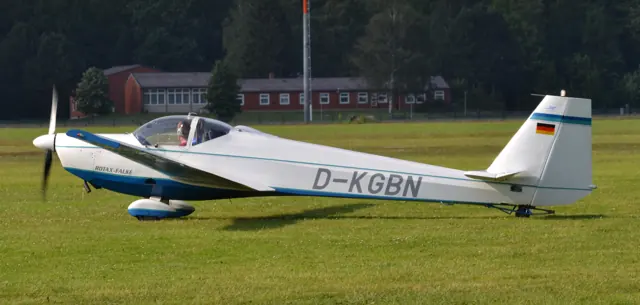
A side-by-side touring motorglider used for both powered flying and soaring.
Pipistrel's streamlined four-seat composite-aircraft design.
A super-midsize business jet with a swept wing, rear-mounted engines and an integrated glass cockpit.
A four-engine Airbus wide-body developed in parallel with the A330.
A modern open-cockpit light aircraft that revives the corrugated-metal style of the 1929 A50.
A pioneering light helicopter whose bubble cabin and exposed structure became widely recognisable.
A twin-radial military transport with a rear ramp and short-field design priorities.
A large twin-engine helicopter from the Super Puma line, used for offshore and public-service work.
A wartime fighter developed from the earlier Curtiss P-36.
A long-range strategic bomber with a swept wing and eight jet engines in paired pods.
A tandem-seat homebuilt jet with composite construction and retractable landing gear.
Mooney's four-seat piston family, developed through many touring-aircraft variants.
An open, single-seat ultralight with its propeller behind the pilot.
BRM Aero's two-seat B23, represented in MSFS by Airfoillabs.
Japan’s postwar regional turboprop, with Rolls-Royce Dart power and a career spanning passenger, freight and specialist government flying.
A pressurised cabin-class piston twin, from the tip-tanked 414 to the longer-wing 414A and its many aftermarket conversions.
An enlarged Velocity kit aircraft with a canard and rear-mounted pusher propeller.
A British jet trainer with tandem seating and a long military training career.
A heavy-lift helicopter built around an open frame and an external working load.
A small observation-helicopter family with a rounded cabin and compact rotor system.
A stretched development of the DC-9 with rear-mounted engines and a five-abreast cabin.
New aircraft, useful sources and improvements to AirframeDB. Occasional updates, when there’s something to share.