X-Plane
British Aerospace Jetstream 32 ↗
A compact regional turboprop with a pressurised cabin for up to 19 passengers.
1 implementations+ Compare
Explore the aircraft. Find your simulator. Follow the sources.
A compact regional turboprop with a pressurised cabin for up to 19 passengers.
A pioneering light helicopter whose bubble cabin and exposed structure became widely recognisable.
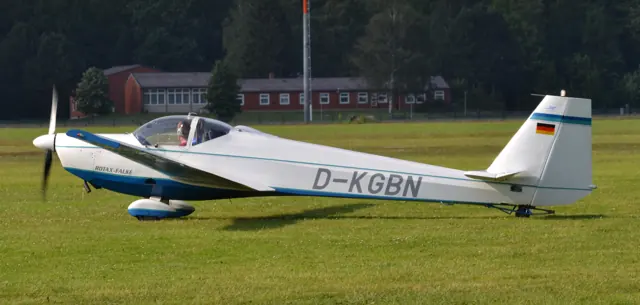
A side-by-side touring motorglider used for both powered flying and soaring.
A two-seat naval fighter with variable-sweep wings and a cockpit built around pilot and radar-intercept officer roles.
A super-midsize business jet with a swept wing, rear-mounted engines and an integrated glass cockpit.
A self-launching sailplane family with its engine inside the fuselage and a folding nose propeller.
Three fictional aircraft for exploring X-Plane’s atmosphere, terrain and extreme flight regimes.
An experimental French helicopter with two coaxial, counter-rotating rotors.
A long-haul twin whose family spans passenger, freight and specialist transport roles.
A military liaison aircraft built around a high wing, tandem cabin and short-field utility work.
A pressurised cabin-class piston twin, from the tip-tanked 414 to the longer-wing 414A and its many aftermarket conversions.
A four-seat, pressurised kit aircraft with a composite airframe and retractable landing gear.
A hybrid-electric regional-airliner concept represented in the simulator while the real programme develops.
A British jet trainer with tandem seating and a long military training career.
A tandem-seat utility aircraft whose light structure and high wing suit bush, towing and recreational work.
A light two-seat helicopter with a side-by-side cabin and a semi-rigid main rotor.
A short-field Savage with leading-edge slats and a distinct Got Friends simulator implementation.
A compact two-seat light aircraft with a high wing and a wide range of development variants.
A long-range strategic bomber with a swept wing and eight jet engines in paired pods.
The purpose-built Ryan monoplane used by Charles Lindbergh for his 1927 solo Atlantic crossing.
A six-engine heavy transport created for exceptionally large external and internal loads.
A light tandem-seat taildragger built around the familiar braced high-wing layout.
The four-engine Flying Fortress, a major American bomber of the Second World War.
A tandem-seat autogyro prototype developed around transport and observation roles.
New aircraft, useful sources and improvements to AirframeDB. Occasional updates, when there’s something to share.