X-Plane
NISUS gyroplane ↗
An enclosed gyroplane represented in VSKYLABS’ X-Plane fleet.
1 implementations+ Compare
Explore the aircraft. Find your simulator. Follow the sources.
An enclosed gyroplane represented in VSKYLABS’ X-Plane fleet.
A two-seat training single with a high wing and fixed tricycle landing gear.
A flyable interpretation of Testors’ 1980s speculative stealth-fighter design.
The H130 utility helicopter, descended from the AS350 and fitted with a Fenestron.
A compact regional turboprop with a pressurised cabin for up to 19 passengers.
A low-wing piston family that spans simple trainers, touring aircraft and retractable-gear Arrows.
A light turbine helicopter whose land-based Scout and naval Wasp branches served different jobs.
A twin-engine business jet designed to retain some of the utility flexibility associated with the PC-12.
The purpose-built Ryan monoplane used by Charles Lindbergh for his 1927 solo Atlantic crossing.
An experimental French helicopter with two coaxial, counter-rotating rotors.
A two-seat, twin-engine fighter that served naval and land-based air forces in many roles.
A two-seat composite kit aircraft developed from the Lancair 320.
TorqueSim's Pocket Rocket, a simulated PT6-powered light aircraft with two gear layouts.
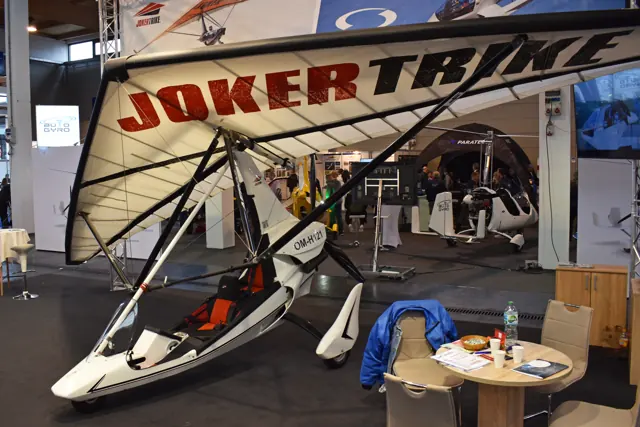
A powered hang-glider wing above an amphibious inflatable boat.
A carbon-fibre aerobatic monoplane family with a dedicated air-racing branch.
A 1920s transport family that developed from a single-engine airliner into a trimotor.
Lockheed's wide-body TriStar, with three RB211 engines and a distinctive tail intake.
A 1920s flying boat with two engines arranged in tandem above the wing.
A composite amphibian that carries Dornier's centreline engine arrangement into the turboprop era.
A wide-cabin business-jet family that developed from Canadair's original Challenger programme.
Cessna's unusual piston-powered helicopter, marketed as the Skyhook.
A light tandem-seat taildragger built around the familiar braced high-wing layout.
The CJ4 belongs to Cessna's light-jet line, with two rear-mounted engines and a T-tail.
A stretched development of the DC-9 with rear-mounted engines and a five-abreast cabin.
New aircraft, useful sources and improvements to AirframeDB. Occasional updates, when there’s something to share.































