MSFS
De Havilland Canada CL-415 ↗
An amphibious turboprop designed around scooping water and delivering it to fires.
2 implementations+ Compare
Explore the aircraft. Find your simulator. Follow the sources.
An amphibious turboprop designed around scooping water and delivering it to fires.
The Stationair utility family, combining a high wing with fixed landing gear.
A four-seat touring family whose Commander 114 added a larger engine and further refinements.
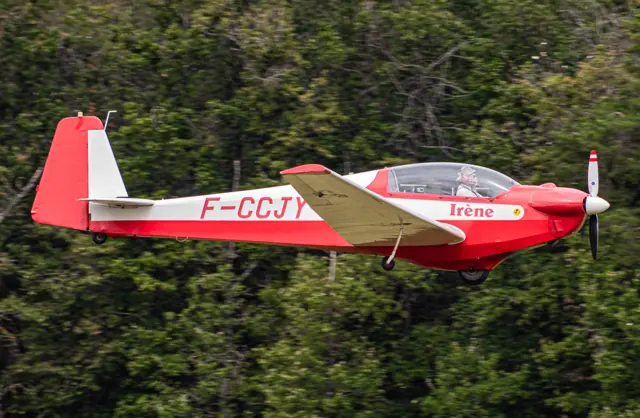
A tandem-seat development of Scheibe’s touring motorglider family.
A 1920s flying boat with two engines arranged in tandem above the wing.
A radial-engined utility aircraft closely associated with bush flying and float operations.
A large amphibious flying boat built around maritime rescue and utility transport.
A four-engine jetliner that helped establish the shape of long-distance jet travel.
A large long-haul twin that introduced Boeing's first commercial fly-by-wire airliner flight controls.
A hybrid-electric regional-airliner concept represented in the simulator while the real programme develops.
A Polish utility aircraft designed for short takeoffs and landings.
An open-cockpit biplane trainer that found a second life in civilian flying.
A tandem two-seat sailplane designed for instruction and broader soaring use.
A fixed-gear twin turboprop with a long history in regional and remote-area transport.
A First World War trainer that became a familiar sight in the barnstorming era.
A tandem-seat light aircraft with a streamlined low-wing layout.
An early CRJ regional jet with rear-mounted engines and a small airliner flight deck.
A single-engine turboprop workhorse for passenger services, freight and remote-area transport.
A Brazilian light trainer with a high wing, tandem seats and a simple utility layout.
Beechcraft's Model 76, designed to introduce pilots to twin-engine flying.
A light two-seat helicopter with a side-by-side cabin and a semi-rigid main rotor.
A two-seat, twin-engine fighter that served naval and land-based air forces in many roles.
A tandem two-seat sailplane family used for training and cross-country soaring.
The CJ4 belongs to Cessna's light-jet line, with two rear-mounted engines and a T-tail.
New aircraft, useful sources and improvements to AirframeDB. Occasional updates, when there’s something to share.