MSFS
Fokker F.VII ↗
A 1920s transport family that developed from a single-engine airliner into a trimotor.
2 implementations+ Compare
Explore the aircraft. Find your simulator. Follow the sources.
A 1920s transport family that developed from a single-engine airliner into a trimotor.
A British jet trainer with tandem seating and a long military training career.
A four-seat kit-built touring aircraft that expanded the RV family beyond two-seat designs.
An unpowered military cargo glider designed to deliver troops and equipment behind a tow aircraft.
A tandem-seat jet trainer that also found a second life in civilian display and racing.
A box-shaped utility twin whose cabin and rear access are central to its design.
An Italian light aircraft known for military training and aerobatic use.
A four-seat, pressurised kit aircraft with a composite airframe and retractable landing gear.
A modern two-seat piston helicopter designed around the training role.
A self-launching sailplane family with its engine inside the fuselage and a folding nose propeller.
A Belgian light helicopter with two seats arranged side by side.
A five-seat turbine helicopter developed from Robinson's smaller piston-helicopter line.
A fixed-wing observation aircraft with a helicopter-like view from its glazed nose.
A single-seat helicopter originally developed as a homebuilt kit.
A very light twin jet developed from the Eclipse 500.
A European variable-sweep combat-aircraft family with distinct strike and interceptor versions.
Grumman’s small twin-engine amphibian: a flying boat with retractable wheels and a life spanning wartime service, private travel and seaplane training.
The Wilga is the real-aircraft starting point for Mike Patey's DRACO and the simulator's DRACO X.
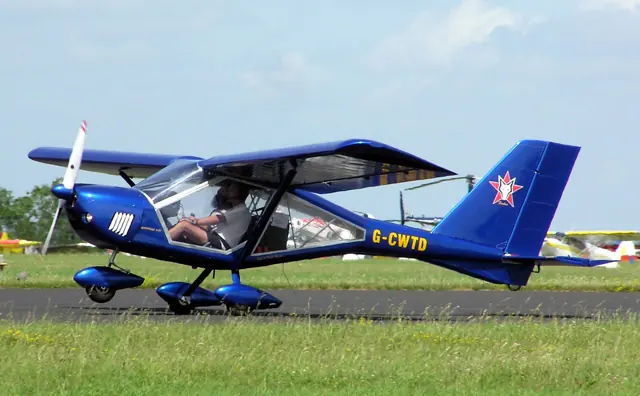
A high-wing light sport aircraft with a broad glazed cabin and tricycle landing gear.
A hybrid-electric regional-airliner concept represented in the simulator while the real programme develops.
A twin-turboprop regional airliner developed through Swedish and American industrial cooperation.
A four-engine airliner that brought pressurised-cabin travel into scheduled service.
A stretched development of the DC-9 with rear-mounted engines and a five-abreast cabin.
New aircraft, useful sources and improvements to AirframeDB. Occasional updates, when there’s something to share.